



artificial intelligence
Neysa Switches On 8,192-GPU AMD MI350X Cluster in Mumbai
Neysa Switches On 8,192-GPU AMD MI350X Cluster in Mumbai
![]() By Elets News Network - 19 November 2026


Neysa, the Mumbai-based AI cloud provider backed by Blackstone, has brought a large AMD Instinct MI350X GPU cluster online in Mumbai on its Neysa Tytan platform. The company announced the deployment on 18 November 2026 and said global customers have already contracted the capacity. Media reports put the cluster at 8,192 GPUs.
The cluster is live and will run large language model training, fine-tuning, generative AI and high-throughput inference workloads, according to the official Neysa announcement. It adds to an expansion that already includes Neysa’s planned GPU build-out at STTGDC’s Noida data centre.

What the Neysa AMD cluster includes
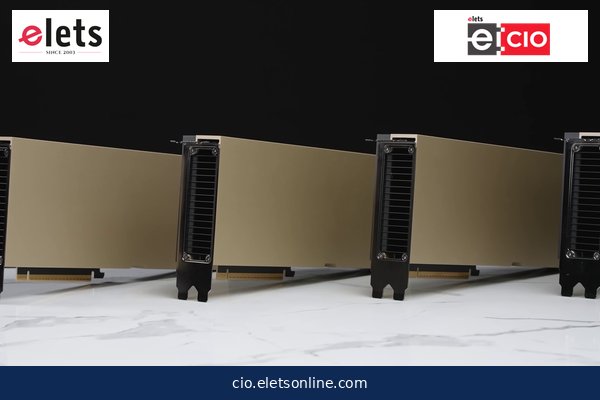
The deployment was brought online in a single phase as a high-density, dedicated bare-metal installation. Alongside the MI350X accelerators, it uses AMD EPYC processors and the AMD ROCm open software stack.

- Platform: Neysa Tytan, the company’s dedicated bare-metal offering for organisations that need committed capacity and control over architecture.
- Deployment options: bare metal, bare metal with Slurm, or bare metal with Kubernetes.
- Customers: global AI offtakers that want to run large workloads in India, as well as Indian enterprises.
- Choice of silicon: the cluster widens the accelerator options on Tytan as part of Neysa’s silicon-agnostic strategy.
Neysa also runs Velocis, a managed AI cloud platform that combines GPU compute, orchestration, inference, observability and cost management.

Why buyers want more than GPU counts
Neysa argues that demand for compute has moved past raw accelerator numbers. Customers now look for dedicated clusters, operational control and certainty that capacity will be there when they need it.
“The question for large AI deployments is no longer simply how many GPUs are available. It is whether the infrastructure can be deployed at scale, operated with certainty and configured for the workload,” said Sharad Sanghi, Co-founder and Chief Executive Officer, Neysa.
Vinay Sinha, India Managing Director, Sales, AMD, said open ecosystems give organisations more choice in how they build and scale AI. He said the collaboration expands access to advanced AI infrastructure in India and supports a more diverse and resilient AI ecosystem, a point AMD repeated in its newsroom post on the deployment.
What it means for India’s AI compute market
The Mumbai cluster is one of several recent moves to build AI capacity in India outside the Nvidia ecosystem. Earlier this month, Vultr launched a 20 MW AI supercluster in Chennai with 10,000 AMD GPUs.
Neysa is also expanding beyond Mumbai. It has partnered with CleanMax on a 2 GW AI compute factory in Andhra Pradesh, and the first phase of its Noida deployment is designed for up to 9,000 GPUs, with go-live expected around the first quarter of 2027.
For CIOs, more dedicated capacity in India means a wider choice of where to train and serve models while keeping data in the country. Public compute is growing too, with the IndiaAI Mission’s 10,000-GPU tender moving through evaluation.
Key takeaways
- Neysa has switched on a dedicated AMD Instinct MI350X GPU cluster in Mumbai, reported at 8,192 GPUs.
- Global customers have already contracted the capacity for training, fine-tuning and inference in India.
- The deployment supports Neysa’s silicon-agnostic Tytan platform and adds to its Noida and Andhra Pradesh plans.
FAQ
What is Neysa Tytan?
Neysa Tytan is Neysa’s dedicated bare-metal AI infrastructure service, offering guaranteed silicon access and high-density clusters for training, fine-tuning and large-scale inference.
Which AMD hardware does the Mumbai cluster use?
It runs on AMD Instinct MI350X GPUs and AMD EPYC processors, with the AMD ROCm open software ecosystem.
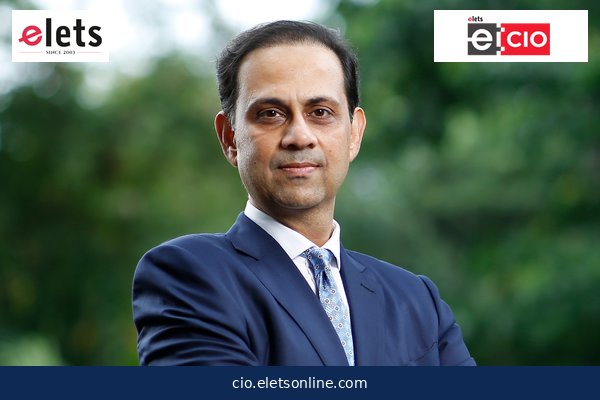
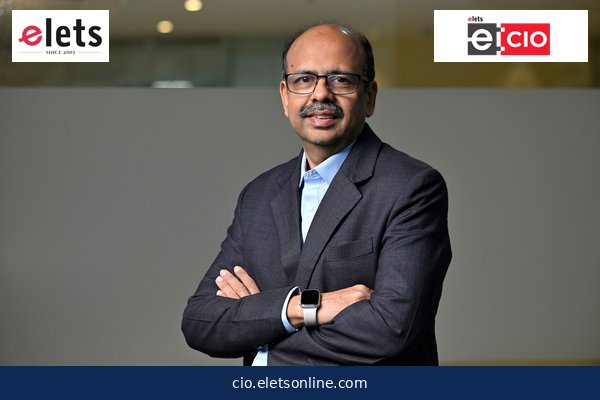
Featured image: Sharad Sanghi, Co-founder and CEO, Neysa. File photo.
Be a part of Elets Collaborative Initiatives. Join Us for Upcoming Events and explore business opportunities. Like us on Facebook , connect with us on LinkedIn and follow us on Twitter.
"Exciting news! Elets technomedia is now on WhatsApp Channels Subscribe today by clicking the link and stay updated with the latest insights!" Click here!