


artificial intelligence
IndiaAI Mission’s 10,000-GPU Tender Opens Technical Bids as C-DAC Looks to Empanel AI Compute Providers
IndiaAI Mission’s 10,000-GPU Tender Opens Technical Bids as C-DAC Looks to Empanel AI Compute Providers
![]() By Elets News Network - 30 October 2026


India’s push to put more AI compute in the hands of its startups, researchers and government departments reaches a key milestone today. The Centre for Development of Advanced Computing (C-DAC) is scheduled to open technical proposals at 4 pm IST on 30 October 2026 for its tender to empanel AI service providers that can supply up to 10,000 AI compute units under the IndiaAI Mission.
The Request for Empanelment (RFE No. C-DAC/GPU/01/2026), published on 7 October, closed for submissions on the Central Public Procurement Portal at 3:30 pm IST on 29 October. It follows Union Electronics and IT Minister Ashwini Vaishnaw’s announcement on 11 October that the government would add 10,000 more GPUs to the mission’s shared compute pool.
What the tender asks for
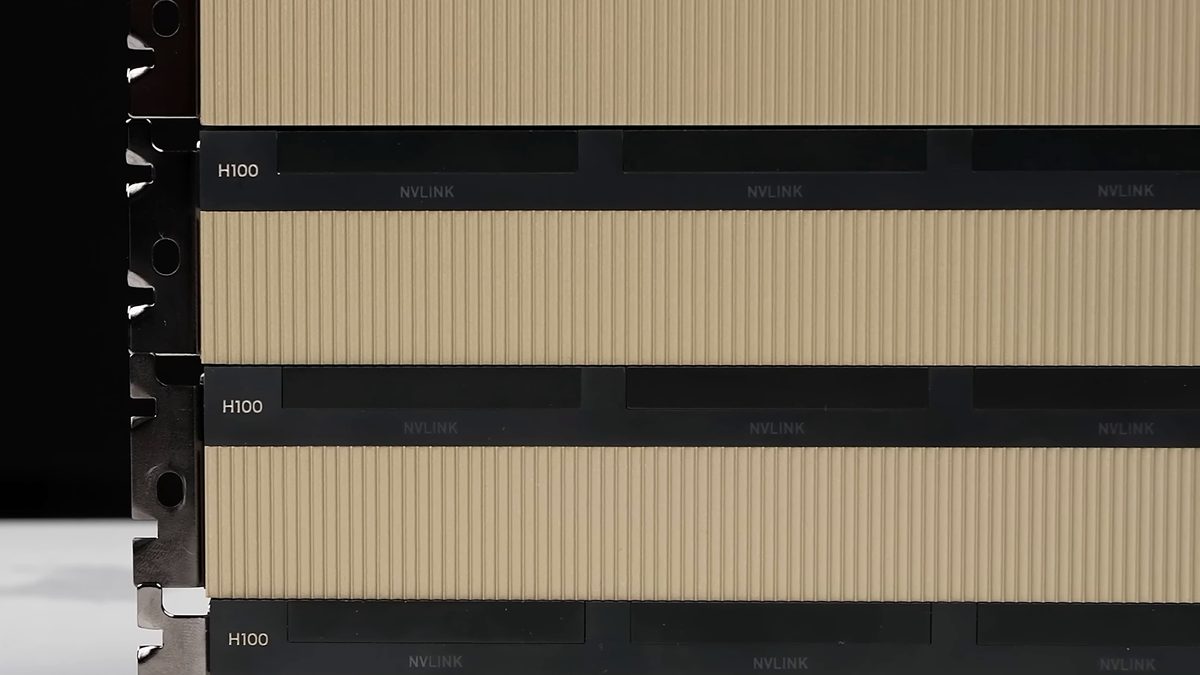
C-DAC, which works under the Ministry of Electronics and Information Technology (MeitY) and is the implementing agency for the mission’s compute pillar, wants providers that can deliver end-to-end AI compute services for five years. The RFE defines an “AI compute unit” broadly, covering GPUs, TPUs and other AI accelerators, and names high-end chips such as NVIDIA’s H100 and H200, along with next-generation equivalents, as the kind of hardware it expects.
- Scale: up to 10,000 AI compute units, organised in clusters of 4,000, 1,000 or 512 units, with each cluster housed in a single data centre in India. C-DAC may scale capacity beyond 10,000 units depending on demand.
- Workloads: large-scale model training, fine-tuning, inference, high-performance computing and other emerging generative AI and LLM workloads.
- Users: ministries and departments, academia, research institutions, startups and industry. According to reports of the minister’s announcement, 3,000 units are to be reserved for government and public-interest work and 7,000 offered to companies.
- Process: Stage 1 is a technical qualification round with no price bids; bidders need at least 60 out of 100 marks to be empanelled, and bids must stay valid for 180 days.
A high bar for bidders
The eligibility conditions point to a field of large, well-capitalised players. Bidders need an average annual turnover of at least ₹120 crore and a Tier-III data centre in India, and must either have 512 compute units already installed or commit to deploying them in India within six months, backed by a bank guarantee. The document also carries a Make in India declaration and requires bidders to certify that they are not from a country sharing a land border with India.
Why it matters
Compute has been the clearest bottleneck for Indian AI builders. More than 38,000 GPUs have already been brought onto the IndiaAI compute platform through earlier rounds, offered to users at subsidised rates, yet startups and enterprises continue to report months-long waits for high-end capacity. A fresh 10,000-unit pool, with a five-year horizon and an option to scale, is designed to give sovereign model builders, researchers and public-sector projects a more predictable supply.
The timing also lines up with the government’s wider AI agenda. Vaishnaw has said MeitY will soon release a consultation paper on AI regulation, expected to cover safety, AI agents and deepfakes, even as states such as Bihar and Uttar Pradesh roll out their own AI policies and parks.
Once technical bids are evaluated, qualified providers are expected to move to the next stage, where cluster sizes and commercial terms will be finalised. For India’s AI ecosystem, the outcome will shape how much affordable, homegrown compute is available as the country races to build its own foundation models and AI applications.
Be a part of Elets Collaborative Initiatives. Join Us for Upcoming Events and explore business opportunities. Like us on Facebook , connect with us on LinkedIn and follow us on Twitter.
"Exciting news! Elets technomedia is now on WhatsApp Channels Subscribe today by clicking the link and stay updated with the latest insights!" Click here!