



artificial intelligence
Bharat Semi Raises $24 Million to Build AI Image Sensors
Bharat Semi Raises $24 Million to Build AI Image Sensors
![]() By Elets News Network - 16 November 2026


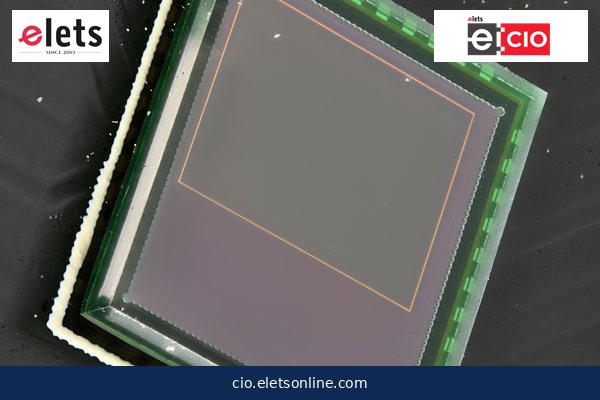
Bharat Semi, a New Delhi-based semiconductor startup, has raised $24 million in a seed round to build AI image sensors that see and think on a single chip. The all-equity round, announced on 16 November 2026, was led by Info Edge Group, South Park Commons and Indus Bridge Ventures, with first commercial production targeted for 2027.
Micromax, Valour Capital, Gaingels and angel investors also joined. According to Mint, the startup first aimed for $10-15 million but raised its target after strong investor interest. The deal adds to a busy run for Indian AI silicon, after Agrani Labs began talks to raise about $100 million for AI inference chips.

What Bharat Semi’s AI image sensors do
Conventional cameras pass every frame from an image sensor to a separate image signal processor and a system-on-chip. Bharat Semi is designing programmable sensors that combine image capture, processing and AI inference on one piece of silicon, so a device can act on what it sees at the point of capture. Co-founder Vrinda Kapoor told TechCrunch the approach could cut system costs by at least 70% compared with that multi-chip set-up.

“Our aim here is to move from sensors to sense-making solutions,” Kapoor told TechCrunch. The Bharat Semi website describes the product as intelligent vision sensors for physical AI that keep processing on the device rather than sending images to the cloud.

Target markets named by the company include:
- Smart homes, such as air conditioners that detect an empty room.
- Surveillance and security systems that interpret footage on the device.
- Industrial automation, robotics and automotive.
- Aerospace, including drones that process visual data on board.
Design wins, team and road map
Bharat Semi is still pre-revenue. It says it has secured design wins with US defence technology company General Atomics and India’s Kaynes Semicon. Its first-generation sensors are in prototyping, and second-generation chips with more advanced AI are expected to reach prototype stage by mid-2027 and customers by the end of 2027, according to Kapoor.
Kapoor co-founded the company in late 2021 with managing director Vinayak Dalmia. Its chief technology officer, Boyd Fowler, earlier held the same role at image-sensor maker OmniVision. The startup has about 75 employees across India and the US and plans to grow its US team to around 20 by mid-2027.
The company will stay fabless and outsource manufacturing. Kapoor said the new money will fund engineering hires, product development and market entry, not the separate semiconductor fab project Bharat Semi announced in 2024.
Why it matters for India’s physical AI push
Edge chips that process data where it is captured are central to physical AI. India is building this layer from several directions, including Netrasemi’s 12nm edge AI chip NETRA A2000 and earlier industry moves into ultralow-power AI sensing with Tata Electronics.
“Bharat Semi is tackling a significant limitation in Physical AI at its origin, within the silicon itself,” said Vibhore Sharma, founding partner at Redstart, Info Edge’s deeptech investment arm, in a statement quoted by Mint. The raise also comes as the government pushes for home-grown compute, with MeitY targeting an indigenous GPU chip in about 24 months. For CIOs planning camera, IoT and robotics deployments, on-sensor AI could lower hardware costs and keep sensitive visual data on the device, though Bharat Semi’s chips are not yet in commercial production.
Key takeaways
- Bharat Semi has raised a $24 million seed round led by Info Edge Group, South Park Commons and Indus Bridge Ventures.
- Its programmable AI image sensors combine capture, processing and AI on one chip, which the company says could cut system costs by at least 70%.
- The fabless startup reports design wins with General Atomics and Kaynes Semicon and targets commercial production in 2027.
FAQ
What does Bharat Semi make?
Bharat Semi designs programmable AI image sensors for drones, robots, cameras and appliances, with sensing and AI processing on a single chip.
When will Bharat Semi’s sensors be available?
The company is targeting initial commercial production in 2027. Its second-generation sensors are expected to reach customers by the end of 2027.
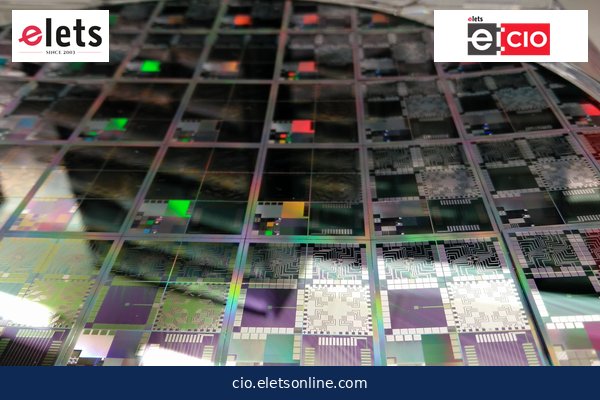
Featured image: A CMOS image sensor chip-scale package mounted on a circuit board (file photo). Photo: Phiarc via Wikimedia Commons (CC BY-SA 4.0)
Be a part of Elets Collaborative Initiatives. Join Us for Upcoming Events and explore business opportunities. Like us on Facebook , connect with us on LinkedIn and follow us on Twitter.
"Exciting news! Elets technomedia is now on WhatsApp Channels Subscribe today by clicking the link and stay updated with the latest insights!" Click here!