


artificial intelligence
TRAI Wants Telecom Operators to Own Their AI, Report Serious Failures Under New Draft Guidelines
TRAI Wants Telecom Operators to Own Their AI, Report Serious Failures Under New Draft Guidelines
![]() By Elets News Network - 31 October 2026


The Telecom Regulatory Authority of India (TRAI) has proposed that telecom operators be held directly accountable for the artificial intelligence running inside their networks and services, regardless of whether those systems were built in-house, bought from a vendor or assembled from both.
The proposal is set out in draft “Guidelines on Responsible Use of Artificial Intelligence (AI) in Telecommunication Networks and Provision of Telecommunication Services”, which the regulator released for public consultation on Friday. Stakeholders have until November 27 to send in their comments.
Who the rules would cover
The draft applies to every entity holding a licence under the Indian Telegraph Act, 1885, or an authorisation under the Telecommunications Act, 2023, that uses or plans to use AI. In practice, that takes in the country’s largest operators, all of which already lean on AI in day-to-day operations.
Airtel runs an AI-based system to flag spam calls and messages and has added tools to block malicious links and counter OTP fraud. Jio says its in-house AI platform, JioBrain, is built into network operations for fault prediction, capacity allocation and real-time optimisation. Vodafone Idea uses AI to flag spam and, under its Vi Protect initiative, to detect and respond to cyber threats on its core network.
Board-approved AI policies and a safety committee
Under the proposal, each company’s board would have to approve an internal AI policy and file it with TRAI within seven working days. The policy would need to explain how AI systems are classified as high, medium or low risk, who signs off on their use, how incidents are graded, where humans stay in the loop, how data is handled and how customer complaints about AI are resolved. It would have to be reviewed at least once a year.
Operators would also need to set up an AI Governance and Safety Committee drawing members from network, IT, regulatory and consumer affairs teams, giving AI oversight a clear home inside the organisation rather than leaving it scattered across functions.
Reporting serious AI failures
The most consequential change is mandatory incident reporting. Critical and high-severity AI incidents, including major malfunctions and repeated failures, would have to be reported to TRAI. The regulator said it may use that information for advisories, risk assessment and other lawful regulatory purposes.
Vendor AI is no longer a shield
The draft also reaches into the supply chain. Operators would need to obtain details of AI embedded in the equipment they buy and write audit and accountability clauses into supplier contracts. For CIOs and CTOs in telecom, that turns AI procurement into a governance exercise: knowing what models sit inside network gear, how they behave and who answers when they go wrong.
Part of a wider push on AI regulation
India does not yet have a dedicated AI law and relies on a mix of existing statutes, from the IT Act, 2000 and the Digital Personal Data Protection Act, 2023 to consumer protection and criminal law. TRAI’s draft notes that those laws continue to apply and that violations will be handled under them.
The guidelines arrive as the Ministry of Electronics and Information Technology (MeitY) is expected to release a consultation paper on AI regulation in the first week of November, which is likely to form the base for India’s broader approach. TRAI had recommended an independent AI regulator back in 2023, though the government has not acted on that suggestion.
Taken together, the sector-level rules from TRAI and the national framework expected from MeitY suggest that accountability for AI in critical infrastructure is moving from voluntary principles to documented, auditable obligations. For enterprises that depend on telecom networks, and for the vendors supplying them, the message is that AI risk management will increasingly need to be shown, not just stated.
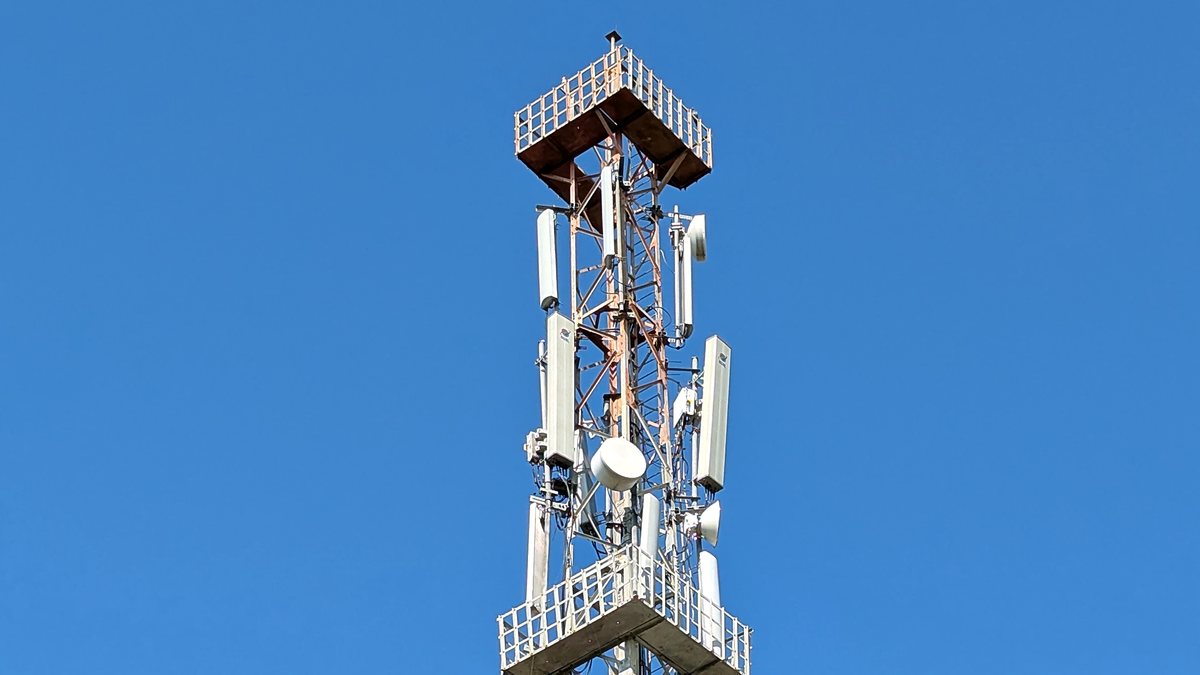
Image credit: BSNL 4G telecom tower in Todabhim, by Rahulsince93 via Wikimedia Commons (CC BY 4.0) – https://commons.wikimedia.org/wiki/File:A_BSNL_4G_Telecom_Tower_In_Todabhim.jpg
Be a part of Elets Collaborative Initiatives. Join Us for Upcoming Events and explore business opportunities. Like us on Facebook , connect with us on LinkedIn and follow us on Twitter.
"Exciting news! Elets technomedia is now on WhatsApp Channels Subscribe today by clicking the link and stay updated with the latest insights!" Click here!