



artificial intelligence
OpenAI India Sees Voice-First, Multilingual AI Adoption Ahead
OpenAI India Sees Voice-First, Multilingual AI Adoption Ahead
![]() By Elets News Network - 29 November 2026


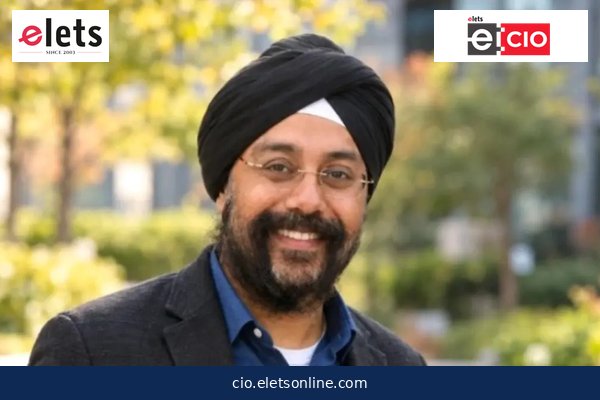
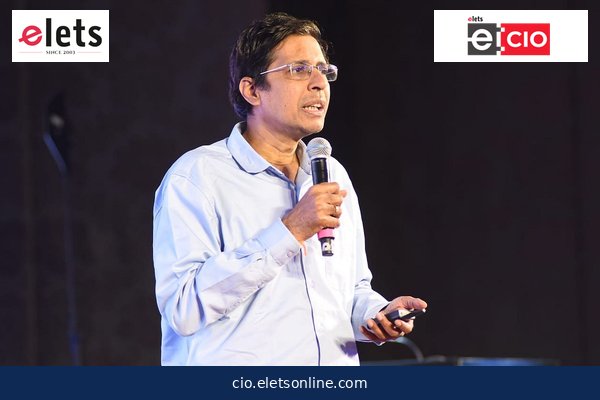
India’s AI adoption will be voice-first, far more multilingual than English-first and very Android-heavy, said Prabhjeet Singh, Managing Director, OpenAI India, on 28 November 2026. Speaking at a fireside chat with Rizwan Koita of the Koita Foundation at a Health-a-thon at IIT Bombay, Singh also said OpenAI is looking for partners in India’s healthcare ecosystem.
Why OpenAI India expects voice-first AI adoption
Singh said OpenAI has to go beyond English-speaking urban users to have real impact in India. “India is not just one India for us to go truly deep and have an impact in the ecosystem. We need to serve a wider ecosystem,” he said, The Hindu BusinessLine reported.

“I expect AI adoption in India to be voice-first, far more multilingual than English-first and very Android-heavy. This requires us to spend time in those environments, ecosystems of poorer network coverage, being able to see what the use cases are,” Singh added.

The remarks build on his earlier comment that India is ChatGPT’s biggest market. Indian players are already racing to serve that voice-led demand, from Sarvam’s Dictate API for 22 Indian languages to Murf AI’s Finch speech-to-text model for 11 Indian languages.

What Singh said on healthcare, AGI and token costs
- Healthcare partners: when Koita noted that AI needs retesting when it moves from one geography to another and asked about collaboration with Indian healthcare, Singh said OpenAI is currently looking for enabling partners in the ecosystem.
- India’s role: citing India’s talent pool, builders and experience of at-scale work, Singh said, “The core vision of OpenAI is to be AGI for the benefit of humanity. And as I heard Sam Altman say, the path for that goes to India.”
- Token costs: answering a developer’s concern that token costs hold back smaller players, Singh said long-term token costs “are going to keep coming down”, adding, “It’s already a hundredth of what it was 18 months back.”
Singh took charge as Managing Director of OpenAI India in September 2026. He described his role as helping OpenAI understand India and deploy its technology with the right local context.
What it means for enterprises building AI in India
For CIOs and product teams, the message is that the next wave of Indian AI users will speak rather than type, often in their own language and on low-cost Android phones with patchy networks. That puts speech recognition, Indian-language support and lightweight models at the centre of product design. OpenAI has been adding India-specific offerings, including India inference residency for GPT-6 Luna.
Key takeaways
- OpenAI India MD Prabhjeet Singh expects India’s AI adoption to be voice-first, multilingual and Android-heavy.
- OpenAI is looking for enabling partners in India’s healthcare ecosystem, Singh said at IIT Bombay on 28 November 2026.
- Singh said token costs are already a hundredth of what they were 18 months ago and will keep falling.
Source: The Hindu BusinessLine; OpenAI.
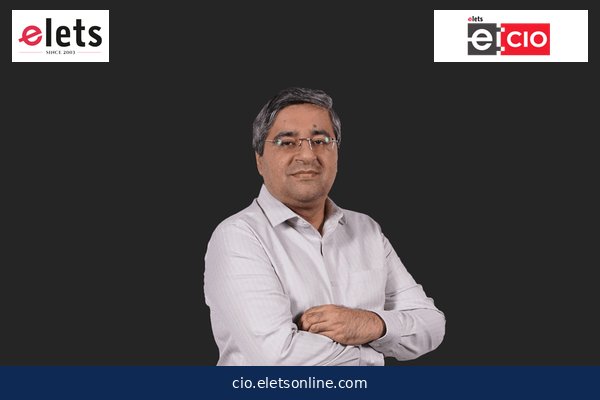
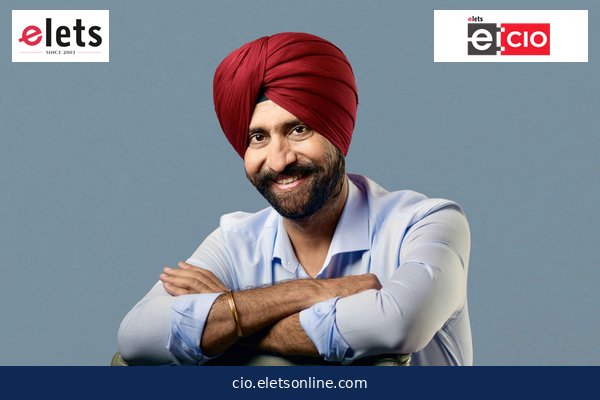
Featured image: Prabhjeet Singh, Managing Director, OpenAI India. Photo: The Hindu BusinessLine.
Be a part of Elets Collaborative Initiatives. Join Us for Upcoming Events and explore business opportunities. Like us on Facebook , connect with us on LinkedIn and follow us on Twitter.
"Exciting news! Elets technomedia is now on WhatsApp Channels Subscribe today by clicking the link and stay updated with the latest insights!" Click here!